Five ideas about childhood. One school.
Great teachers in five corners of the world worked out how children learn best. We take the wisest bit from each, and make it feel like home.
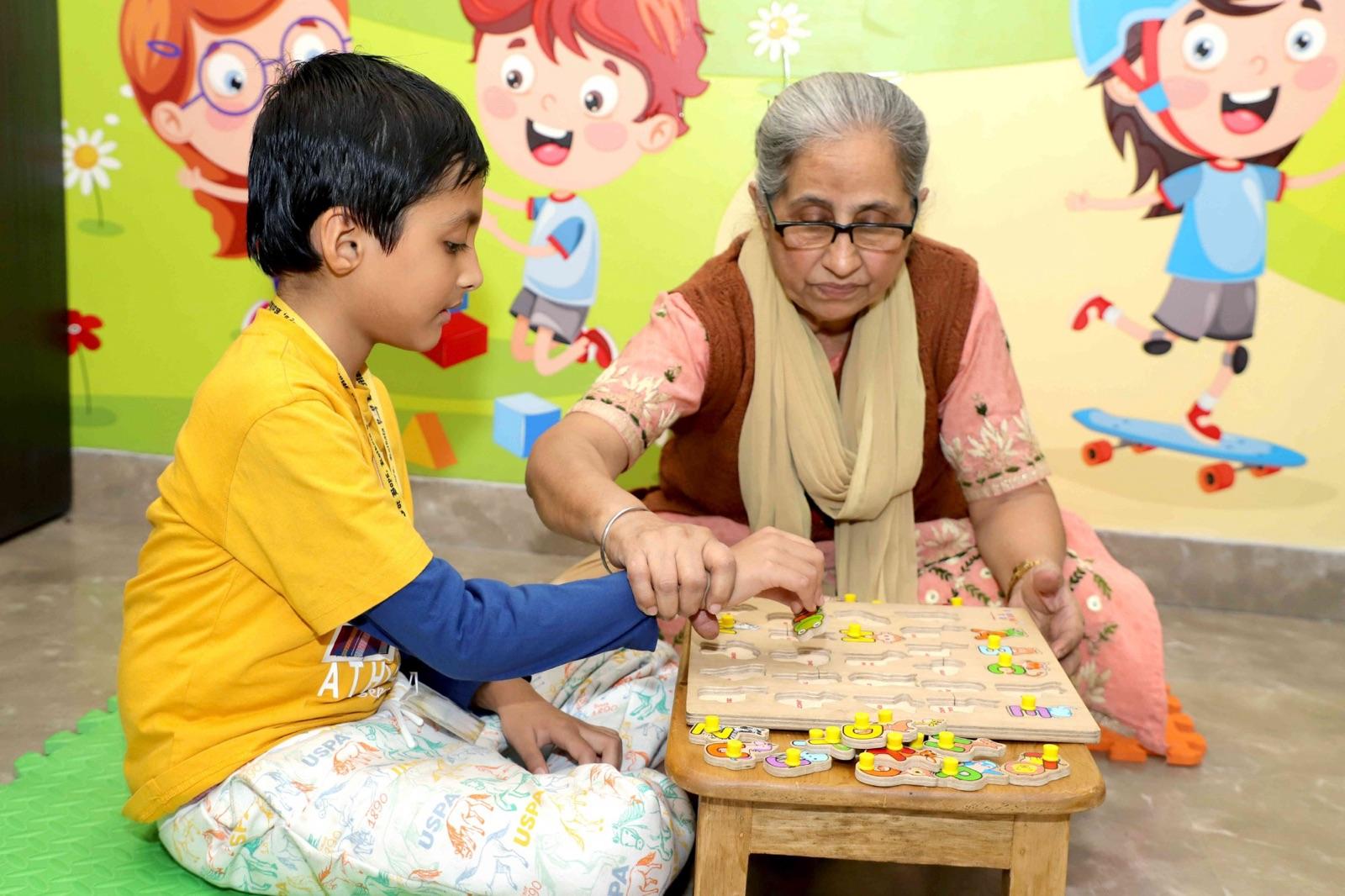
Play is serious learning.
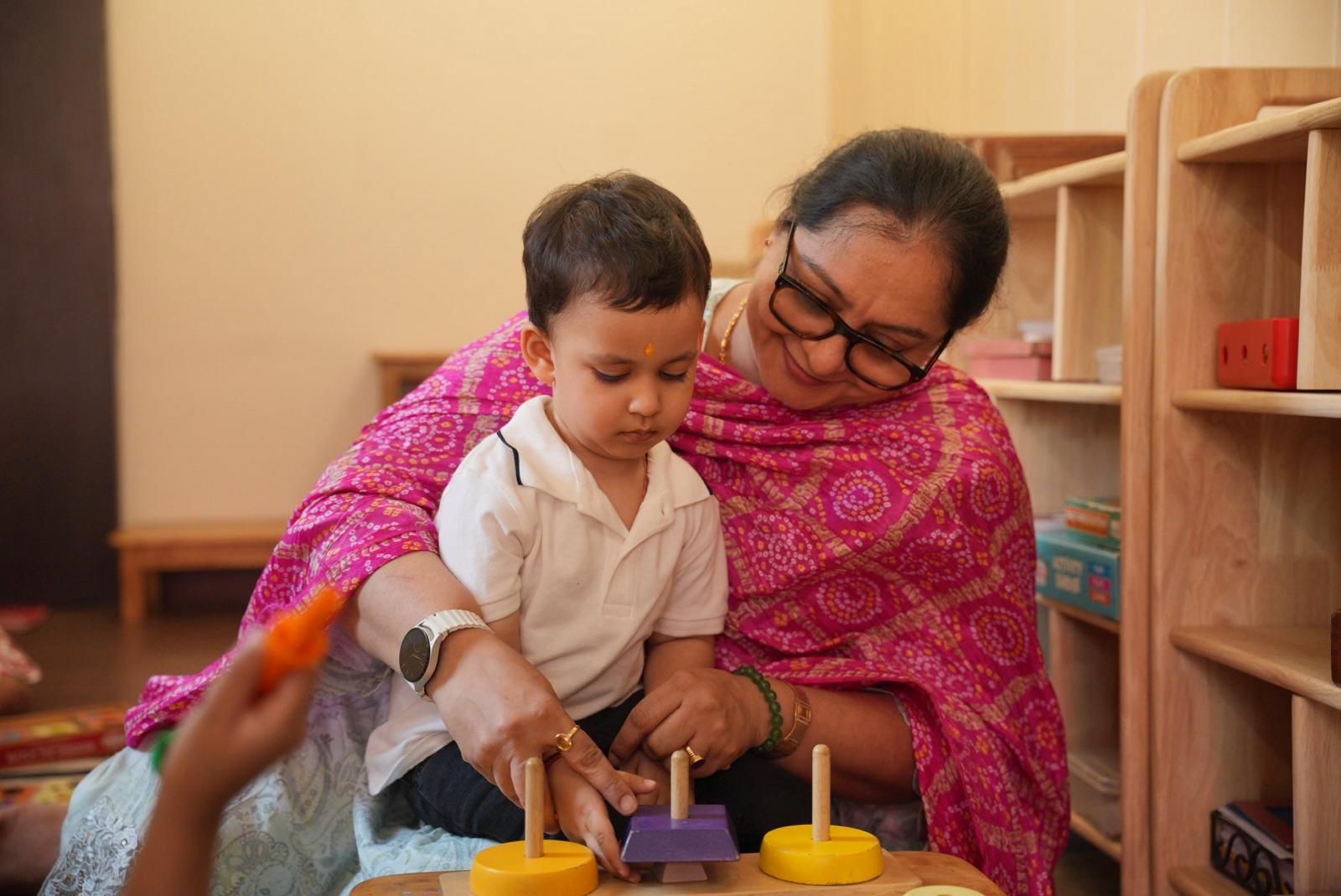
Kneading dough, pouring water, squeezing a dropper: small hands busy with something real. Each of the five ideas below begins here.
What children do.
- Pour, button and carry things on their own
- Choose their own work from low shelves
- Carry on until the job is done
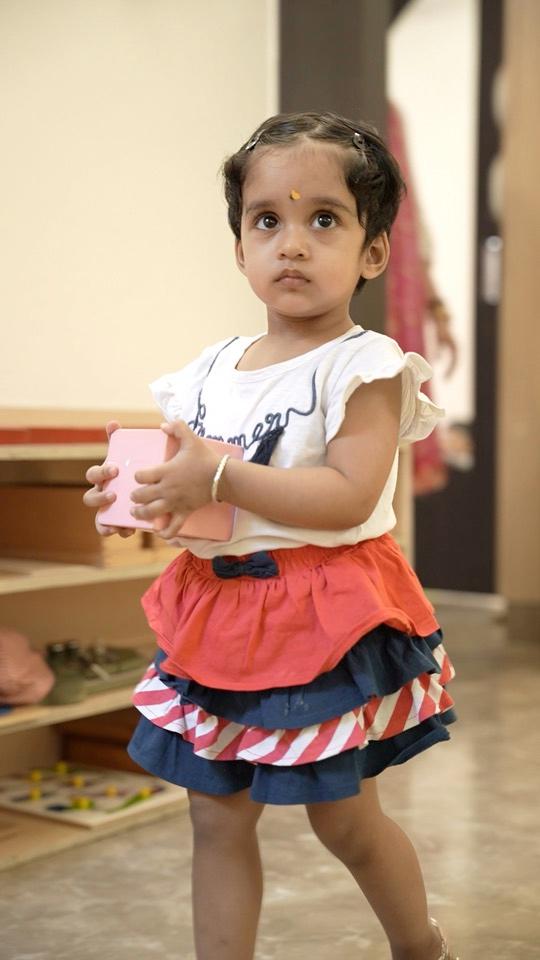
So everything is within a child's reach. Children choose their work, take it down themselves and carry on until the job is done.
- Independence
- Concentration
- Fine-motor skills
What children do.
- Ask big questions and follow them
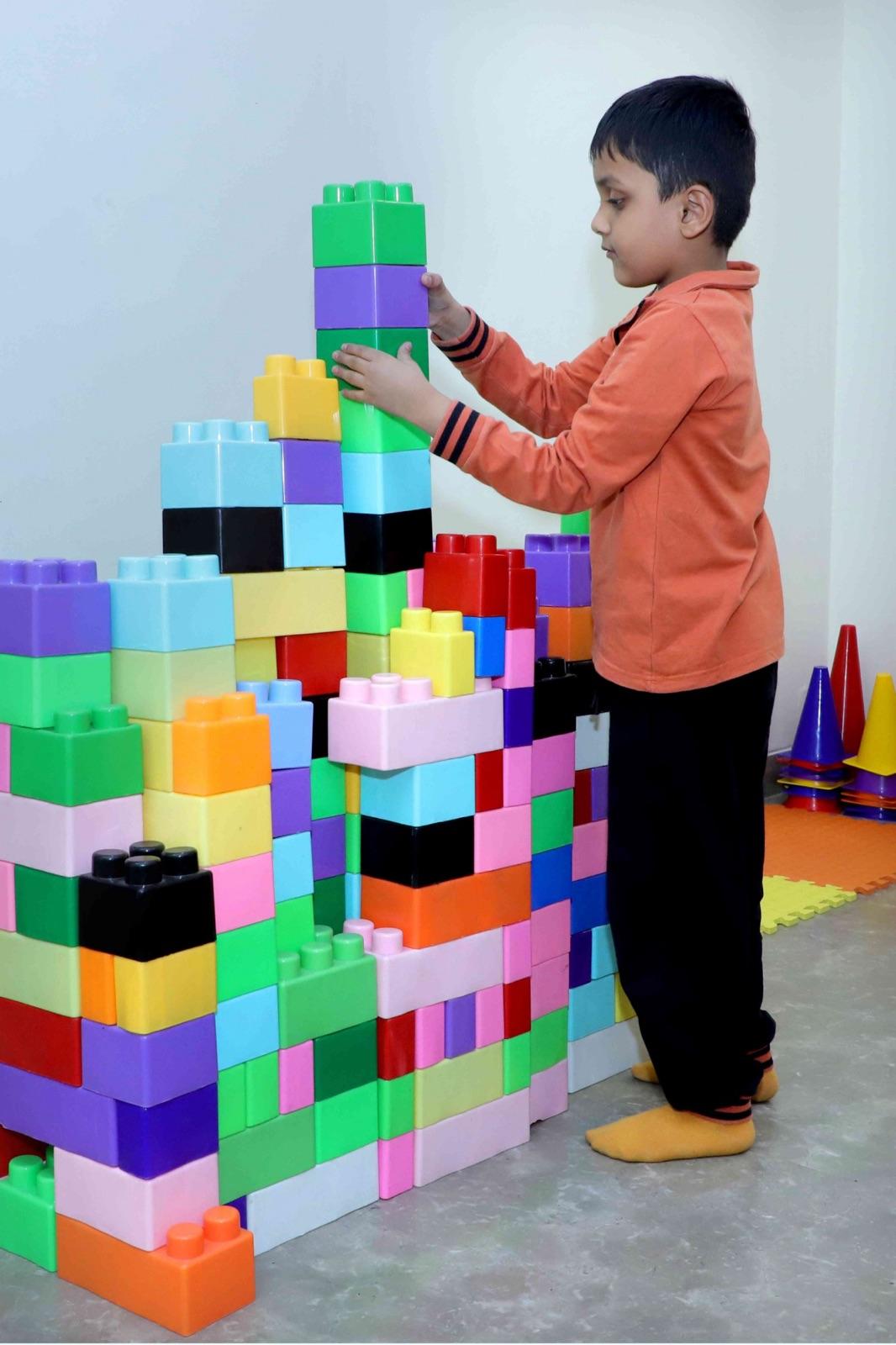
- Work on messy, open-ended projects
- Show what they find in many ways
No. Teachers watch closely, listen and shape each project around what children ask. The play has a purpose, even when it looks like fun.
- Curiosity
- Problem solving
- Expression
- Teamwork
The Nordic way
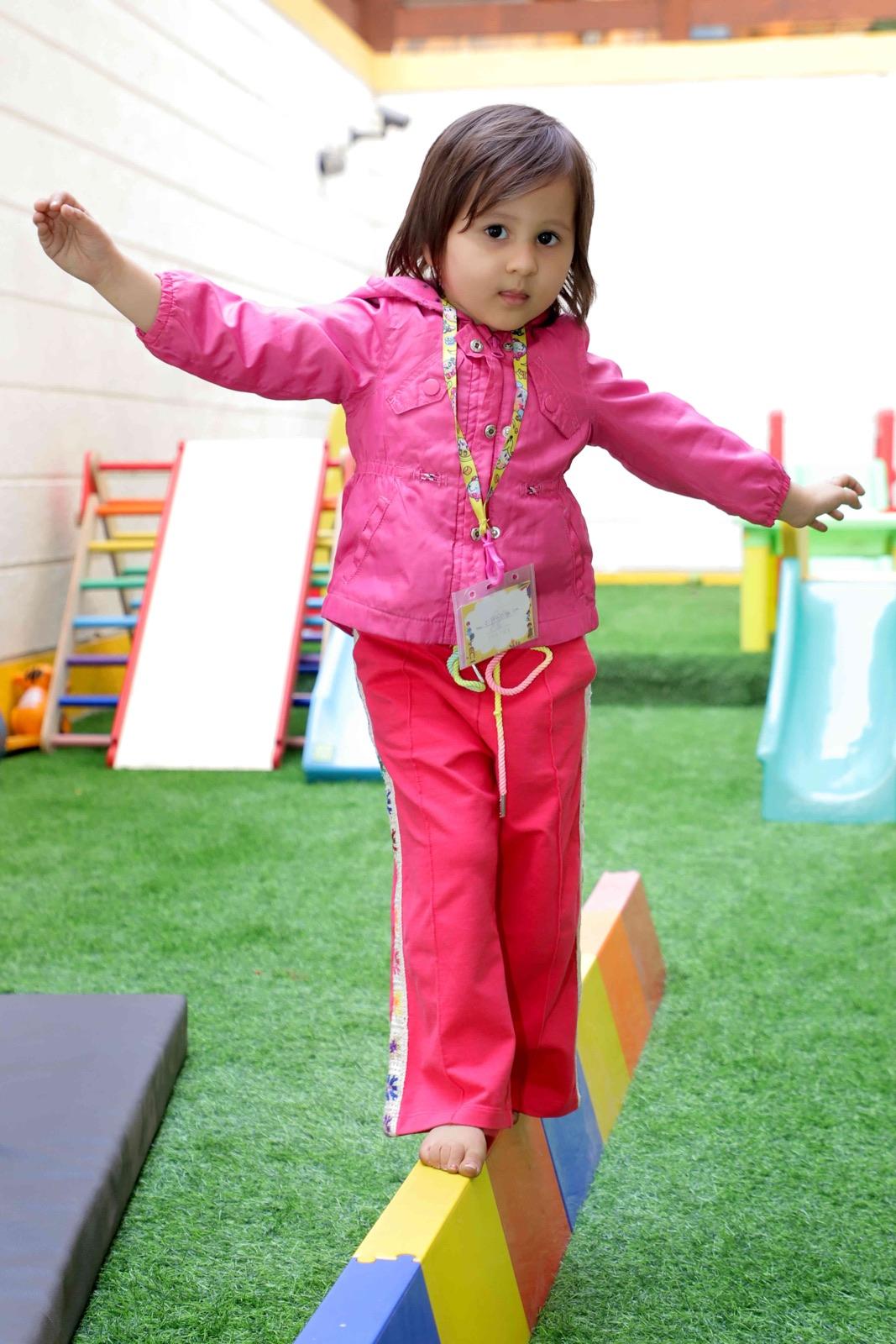
The Nordic way is not one method but a shared culture across Denmark, Finland, Sweden and Norway: play outdoors in all weather, a play-led early childhood and trust in the child. Children who feel safe are free to try new things.
Grows Confidence
What children do.
- Play outdoors, whatever the season
- Take long stretches of unhurried play
- Try new things with a teacher near
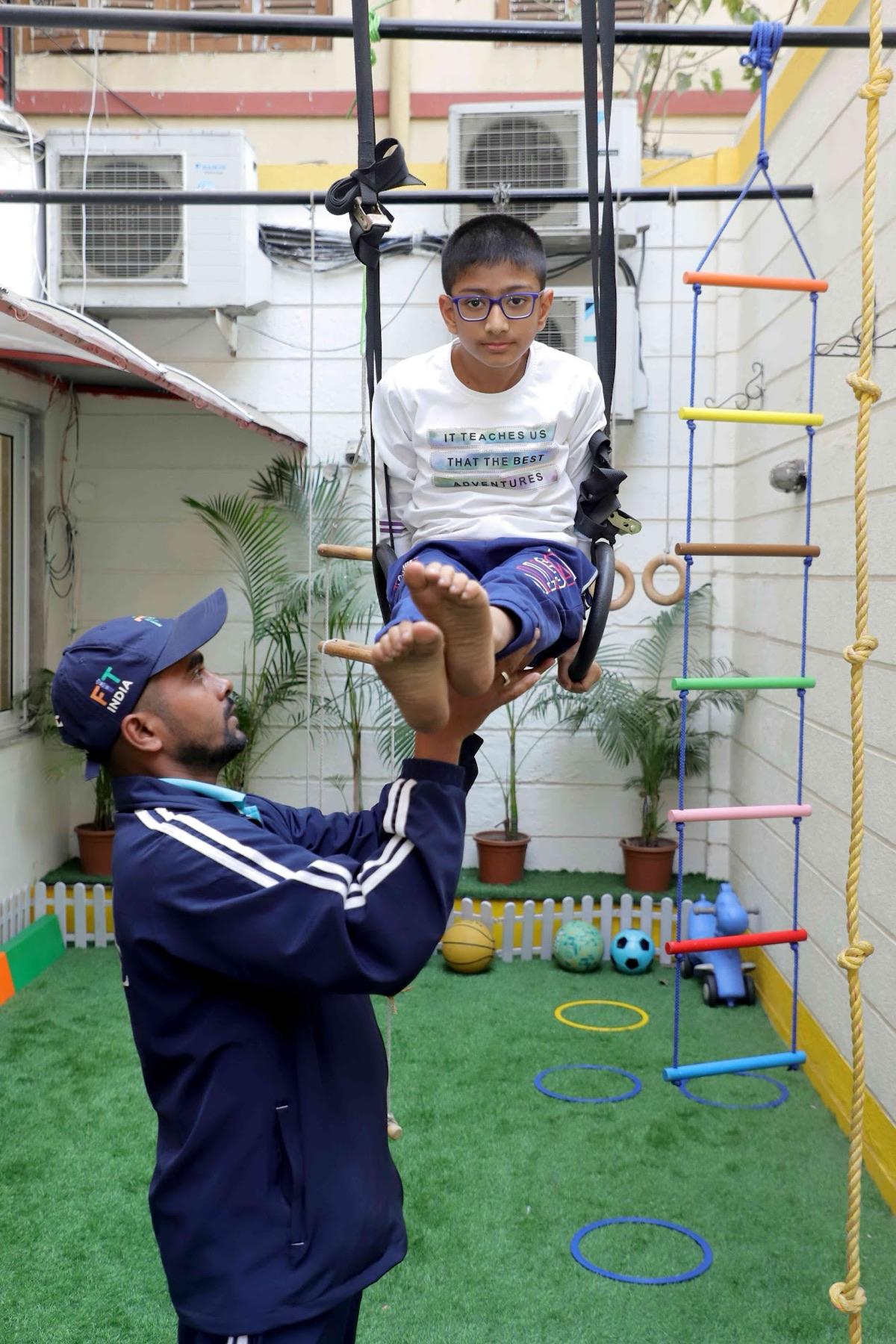
Play is how young children learn language, number and how to get along. Teachers plan the play, and After-School adds homework help for older children.
- Confidence
- Resilience
- Gross-motor skills
What children do.
- Listen to stories and sing songs together
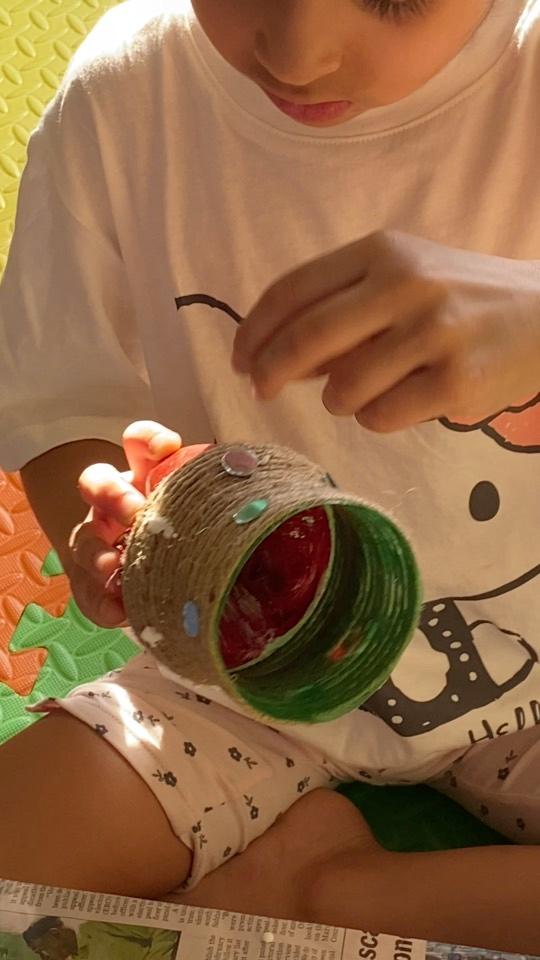
- Paint, craft and make things with their hands
- Follow a steady rhythm through the day
No. Stories, art and rhythm lead in the early years, and children read and write as they are ready. After-School adds homework help, and Sprout Sums teaches abacus.
- Creativity
- Imagination
- Focus
- Calm
- Fine-motor skills
Mimamoru
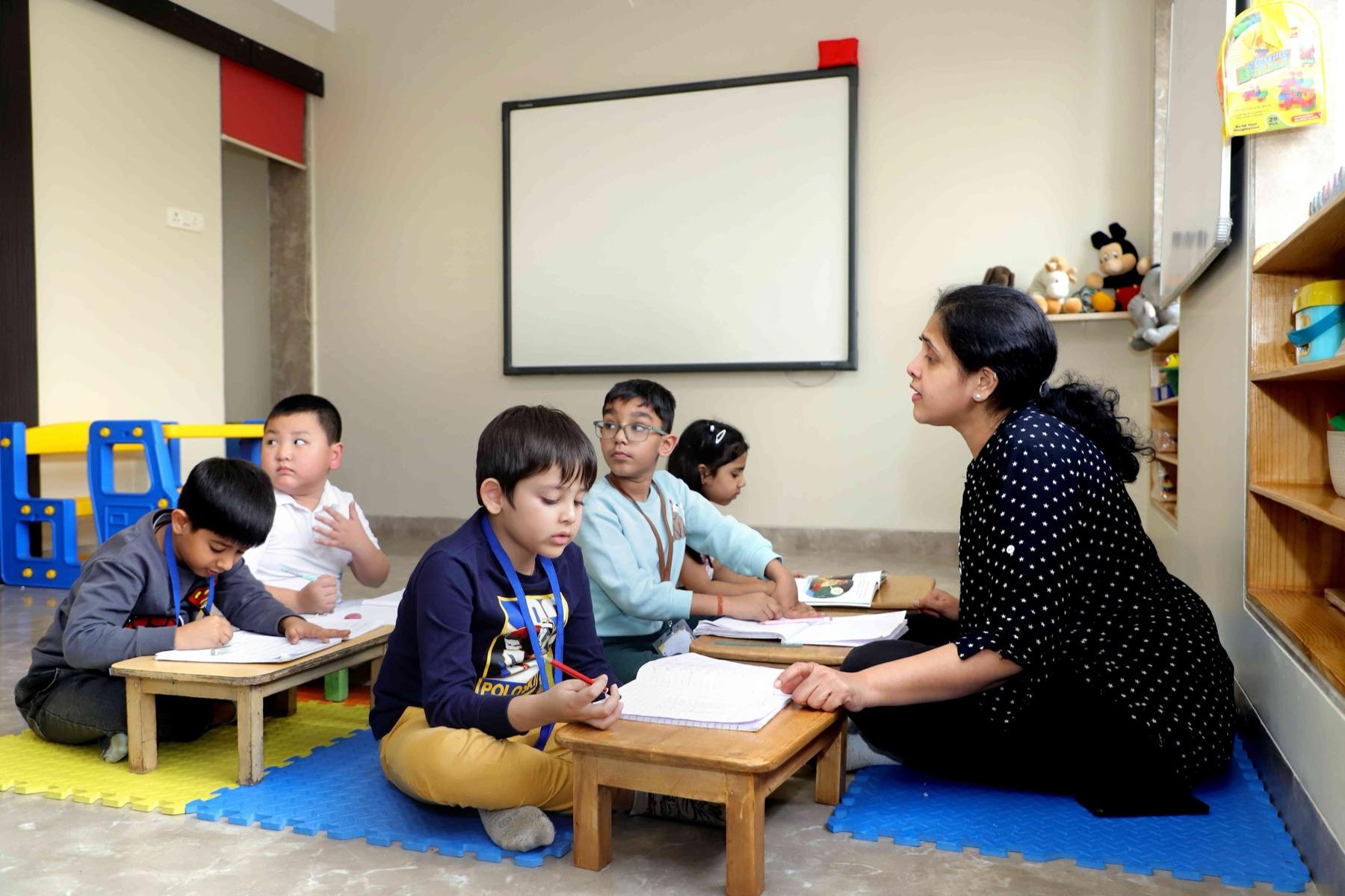
Mimamoru comes from the Japanese words for watching and protecting. Teachers stay close and hold back, so children learn from their own actions, and they step in whenever the risk of harm outweighs the lesson. It is a cultural habit, not a branded method.
Grows Kindness
What children do.
- Sort out small quarrels with a teacher near
- Find their own way to say sorry and make up
- Learn from what happens, safely
They watch closely and step in whenever a child could be hurt. Holding back is a choice, made with care.
- Kindness
- Self-control
- Problem solving